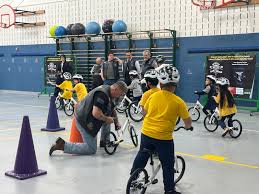
In many underserved communities, a bicycle donation program for students has become a powerful solution to one of the most overlooked barriers in education—transportation. When students live far from school or lack reliable means to travel, attendance suffers, grades drop, and dropout rates increase. A bicycle donation program for students helps bridge this gap by providing students with safe, affordable, and consistent access to education. Beyond just transportation, this kind of initiative builds independence, confidence, and long-term academic commitment.
Breaking Barriers to Education Access
A major reason students miss school is simply because they cannot get there on time or at all. In rural and low-income areas, walking long distances can be exhausting and unsafe, especially for younger children. A bicycle donation program for students directly addresses this issue by reducing travel time and physical strain, allowing students to focus more on learning instead of the journey.
Reducing Daily Travel Challenges
Many students spend hours walking to school each day. With a bicycle, that time is significantly reduced, making education more accessible and less physically demanding.
Improving Safety and Consistency
A reliable ride means students are less exposed to unsafe routes or weather conditions. As a result, attendance becomes more consistent, and academic performance improves naturally through regular participation. A bicycle donation program for students plays a critical role in ensuring this stability.
Supporting Long-Term Academic Growth
When students no longer struggle with transportation, they can redirect their energy toward studies, extracurricular activities, and personal development. Schools also benefit from improved attendance rates, creating a more stable learning environment.
Encouraging Educational Commitment
Access to a bicycle often changes a student’s mindset. Education becomes more achievable, which increases motivation and long-term academic engagement. A bicycle donation program for students helps create this positive shift by removing daily obstacles.
Strengthening Community Support Systems
Communities that participate in donation initiatives often see broader social improvements. Families become more engaged in education, and students feel supported by both local and global efforts. In some regions, these programs align with efforts like a Christian charity supporting refugees, where education and mobility are essential tools for rebuilding lives and restoring hope.
Creating Equal Opportunities for Every Student
Not all students start with the same advantages. Some face financial hardship, unstable housing, or limited access to public transportation. A bicycle donation program for students helps level the playing field by ensuring that transportation is not a reason for missing school.
Building Independence and Responsibility
Owning a bicycle gives students a sense of responsibility. They learn to care for their transportation, manage time better, and become more self-reliant. A bicycle donation program for students encourages these life skills in a practical and meaningful way.
Increasing Classroom Participation
When students arrive on time and attend regularly, they are more engaged in classroom discussions and activities. Teachers can maintain consistent lesson plans, which benefits the entire learning environment.
In many humanitarian discussions about how to help people in crisis, education and mobility are often highlighted as two of the most essential needs. Programs like these directly contribute to long-term recovery and empowerment.
Strengthening Hope Through Practical Support
The impact of transportation support goes beyond school attendance. It affects emotional well-being, family stability, and future opportunities. A bicycle donation program for students creates a ripple effect that strengthens entire communities.
Encouraging Positive Life Outcomes
Students who regularly attend school are more likely to graduate and pursue higher education or skilled employment. This long-term success begins with something as simple as a bicycle that makes daily attendance possible.
Reducing Financial Pressure on Families
Families struggling with poverty often cannot afford transportation costs. Providing bicycles eliminates this burden, allowing families to focus resources on other essential needs such as food, healthcare, and school supplies. A bicycle donation program for students becomes a practical solution with lasting financial benefits.
House of Compassion and Hope
At the heart of meaningful change is action driven by care, dignity, and long-term impact. House of Compassion and Hope is committed to supporting initiatives that uplift communities through practical solutions like education access, mobility support, and humanitarian outreach. By focusing on real-world challenges, we aim to help students overcome barriers that limit their potential and create pathways toward a brighter future.
Through compassionate efforts and community-driven support, we continue working to ensure that every student has the opportunity to learn, grow, and succeed—no matter where they come from or what challenges they face.