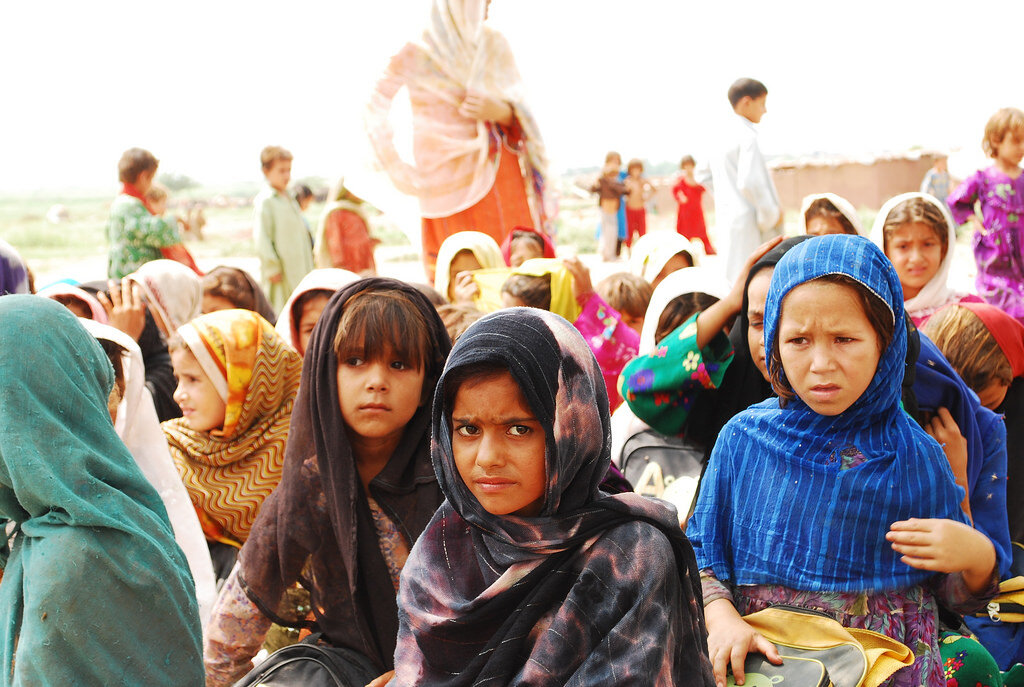
In 2026, refugee camp support programs are more critical than ever. As conflicts, climate disasters, and economic instability continue to displace millions worldwide, these programs serve as a lifeline for families in crisis. They not only provide immediate relief but also lay the groundwork for long-term recovery, ensuring that displaced individuals can regain stability, access education, and build a future full of hope.
Addressing Immediate Needs with Comprehensive Services
One of the core functions of refugee camp support programs is addressing the urgent needs of displaced communities. Access to clean water, nutritious food, and safe shelter forms the foundation of survival. Beyond these basics, medical care, psychological support, and sanitation services help maintain the health and dignity of camp residents. By offering these essential resources, programs create an environment where families can start to heal after experiencing trauma.
Medical and Psychological Support
Health services in refugee camps go beyond treating immediate injuries or illnesses. Many camps provide mental health counseling and support groups, helping individuals cope with the psychological effects of displacement. This dual focus on physical and emotional health ensures that refugee families receive holistic care during the most challenging periods of their lives.
Nutrition and Sanitation
Proper nutrition and hygiene are vital to prevent disease outbreaks in crowded camp settings. Refugee camp support programs often run feeding centers and hygiene education workshops, empowering families to maintain health and well-being even under difficult circumstances.
Promoting Education and Skill Development
Another essential aspect of refugee camp support programs is education. Displacement should not mean the end of learning. Programs often establish schools and vocational training centers, giving children access to formal education and adults the chance to learn skills that can help them find work in the future. Education programs provide a sense of normalcy, helping children regain stability while giving families hope for a more secure tomorrow.
Child-Focused Initiatives
Education for children is a top priority. Structured learning environments and extracurricular activities help young refugees cope with disruption while developing critical social and cognitive skills. These programs are essential for breaking cycles of poverty and building resilient communities.
Vocational Training
For adults, vocational training programs can teach valuable trades such as tailoring, construction, or technology skills. These initiatives empower individuals to help families rebuild their lives independently, fostering self-reliance and long-term sustainability.
Strengthening Community and Social Support Networks
Beyond immediate relief and education, refugee camp support programs also focus on fostering strong community connections. These networks provide a sense of belonging and emotional security, which is crucial for mental health and social cohesion. Community activities, peer support groups, and cultural programs help residents maintain a sense of identity while building relationships that can aid their recovery and resilience.
Peer and Cultural Support
Programs that encourage social interaction and cultural expression help refugees process trauma and maintain a sense of dignity. Art therapy, storytelling workshops, and cultural celebrations can all play a role in building strong, supportive networks within camps.
Empowering Local Leadership
By encouraging leadership among camp residents, programs create opportunities for refugees to actively contribute to decision-making processes. This empowerment fosters a sense of ownership and pride, allowing communities to advocate for their needs effectively.
House of Compassion and Hope: Making a Real Difference
At House of Compassion and Hope, we understand the vital role refugee camp support programs play in transforming lives. Our team of experts works tirelessly to provide comprehensive support that addresses immediate needs, educational opportunities, and social empowerment for displaced families. We strive to help families rebuild their lives, ensuring they can access the tools, guidance, and care needed to thrive. When choosing a partner for humanitarian work, it’s important to give to a trusted nonprofit like ours—an organization committed to sustainable impact, compassion, and hope for every family we serve.
Through our efforts, displaced communities gain more than temporary relief—they gain a foundation for long-term stability and self-sufficiency. From health services to education and community development, House of Compassion and Hope is proud to be at the forefront of providing meaningful, life-changing support in refugee camps worldwide.